Breast Reduction
- Home /
- Aesthetic Surgery /
- Breast Reduction
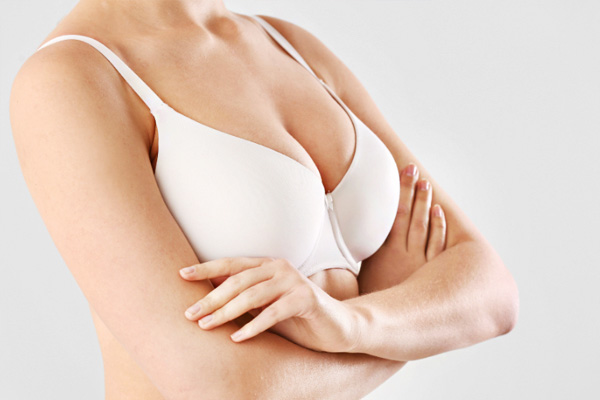
Breast Reduction
Breast reduction surgery, also known as reduction mammoplasty, is a procedure designed to reduce the size and volume of the breasts. For many women, overly large breasts can cause physical discomfort, pain, and emotional distress. Breast reduction surgery offers a solution to alleviate these concerns and help women regain their comfort and confidence. In this guide, we will explore the details of breast reduction surgery and its potential benefits.
Benefits
- Alleviation of physical discomfort: Large breasts can often lead to physical discomfort such as back, neck, and shoulder pain, as well as bra strap indentations. Breast reduction surgery can relieve these symptoms and improve overall comfort.
- Enhanced ease of physical activity: Women with overly large breasts may find it challenging to engage in physical activities due to the weight and size of their breasts. After breast reduction surgery, patients often experience increased freedom and ease in participating in exercise, sports, and other physical activities.
- Improved body proportions and clothing fit: Breast reduction surgery can help create a more balanced and proportionate figure. Clothes typically fit better, and women can enjoy a wider range of clothing options that may have previously been uncomfortable or unflattering.
- Boost in self-confidence and body image: Many women with large breasts experience self-consciousness and low self-esteem. Breast reduction surgery can help restore confidence and improve body image, allowing women to feel more comfortable and happy with their appearance.
Recovery and Results
After breast reduction surgery, patients may experience some swelling, bruising, and soreness, which typically subside over time. It is crucial to follow the post-operative guidelines provided by your surgeon, including wearing a supportive bra and avoiding strenuous activities for a few weeks. Most patients can return to work and regular daily activities within a week or two, with further restrictions on heavy lifting and vigorous exercise for several weeks.
© Copyright 2024 Dr. Nikita Rolekar