Cancer And Trauma Reconstruction
- Home /
- Reconstructive Surgery /
- Cancer And Trauma Reconstruction
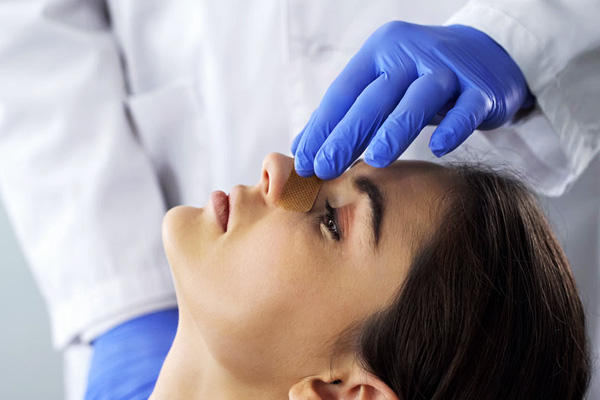
Cancer And Trauma Reconstruction
Cancer and trauma reconstruction are two distinct areas of plastic surgery that involve restoring form and function to areas of the body affected by cancerous tumors or traumatic injuries.
Cancer Reconstruction
In the context of cancer, plastic surgeons often play a crucial role in reconstructing areas of the body affected by the surgical removal of tumors or tissues affected by cancer. This may include breast reconstruction following mastectomy for breast cancer, facial reconstruction after removal of skin cancers or tumors, or reconstruction of other areas such as the head and neck, limbs, or trunk. The goal of cancer reconstruction is not only to restore the appearance of the affected area but also to optimize function and quality of life for the patient.
Trauma Reconstruction:
Trauma reconstruction involves repairing deformities or injuries caused by accidents, burns, or other traumatic events. Plastic surgeons specializing in trauma reconstruction use a variety of techniques to restore normal form and function to the affected area, whether it's repairing facial fractures, reconstructing damaged soft tissues, or restoring function to injured limbs. The focus of trauma reconstruction is on restoring both the physical appearance and the functional capabilities of the affected body part, helping patients regain confidence and independence after traumatic events.
In both cancer and trauma reconstruction, plastic surgeons work closely with multidisciplinary teams, including oncologists, surgeons, radiation oncologists, and other specialists, to develop comprehensive treatment plans tailored to each patient's unique needs. These treatment plans may involve a combination of surgical and non-surgical interventions aimed at achieving the best possible outcomes for the patient, both aesthetically and functionally.
© Copyright 2024 Dr. Nikita Rolekar